
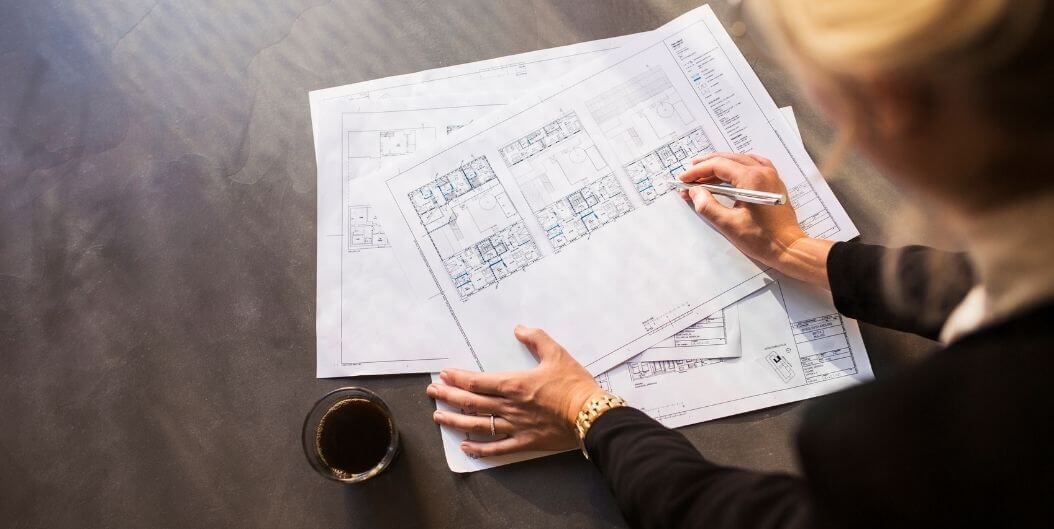
Key Layout Features of Assisted Living Apartments
If you are considering moving into assisted living, you have likely thought about meal programs, activities, and how friendly the staff is. But what about the apartment layout? The configuration of your living environment can have a significant impact on how safe, independent, and comfortable you’ll feel.
A new apartment can be a big change, especially if you have lived independently in the same house for many years. What makes this transition easier is knowing that your new living space has been designed to meet your needs. An assisted living apartment is not just designed to look nice; it is designed so you can move around easily and without unnecessary challenges, while still being able to make it feel like home.
In this article, we will go over the most important layout features to consider: accessibility, safety, comfort, and touches of community that make your daily experience smoother.
Accessibility Comes First
The first consideration when looking at any apartment design is, can you move freely without obstructions? Many seniors are using a walker or a wheelchair, and even if you don’t now, you may want an apartment that is ready for you in the future. That is why wide doorways and hallways are especially important; you won’t get stuck trying to maneuver around tight corners or tripping on door frames.
Step-free or low-threshold entryways are another small detail that is quite important. You should not have to trip over uneven floors just to walk from your bedroom to your bathroom.
Lever-style handles instead of knobs are another good feature. Knobs can be frustrating for people with arthritis or limited hand strength, whereas lever handles can be pushed down by the palm of your hand. Open layouts play into this. If furniture can be arranged so there are clear paths without obstructions, you will not be concerned about twisting your body around furniture in a tight corner. Maybe not appealing in minor planning features, but they add to independence, and that’s what most seniors desire the most.
Safety Features Built Into Daily Life
Safety is one of the main reasons seniors select assisted living. While there will always be staff somewhere nearby, it is also important that the apartment is configured to help reduce the chance of accidents.
One feature that is a must is the range of emergency call systems, usually in and around bedrooms and bathrooms. With the press of one button, available staff can be contacted if disaster strikes. Other basic fall prevention elements include non-slip flooring in bathrooms and grab bars in various locations. Then there is lighting. The concept is bright shelving, so you don’t have shadows playing with your eyes; a bright room is more important for you than you can appreciate.
Smoke detectors and sprinklers are now standard in most assisted living apartments over and above the basics. What separates assisted living from housing is the way in which smoke detectors and sprinklers are integrated into the overall safety of the community; this eliminates any lag in time from when any staff member starts responding. For the resident and for the residents’ families, these are comfort features. You don’t want to contemplate what would happen if you were alone in your apartment.
Comfortable Living Spaces
Safety and accessibility are important aspects of transitioning to an apartment lifestyle, but just as important is identifying an apartment that “feels like home”. This will be unique for each individual, but in general, living and sleeping spaces should be separate as much as possible so you don’t feel like your life is taking place in a single room. A floor plan “designed” separation of spaces is also where a small kitchenette can be especially appealing. While you will likely eat the vast majority of your meals in the community dining room, being able to prepare a light snack or a cup of tea (without going out) is appealing in many circumstances.
Natural light may be an often-overlooked feature that you look for. Apartments with large windows or bright lighting can help to support mood and overall well-being (if you are worried about being affected by low natural light levels over time). Certain studies have even shown that sunlight can help to regulate sleep patterns, which can be difficult for older adults in everyday life.
Personalization of an apartment may also be one of the most overlooked design features. Generally, communities will allow you to bring your own furniture and/or décor. Your favorite chair, family portraits, or quilt on the bed are more than just “stuff”; these personal items can help make an unfamiliar place feel familiar. Many apartments create an ambiance that strikes a balance between simplicity and comfort, giving you room to live while still feeling like you belong there.
Bathrooms Designed for Safety and Ease
Bathrooms can be some of the most challenging environments to navigate as we all get older. With care and thought to a few design adjustments, bathrooms may become a safer environment to be in! Walk-in showers are clearly becoming a common standard for low thresholds and seated showering. This takes the height risk of stepping over the tall tub wall out of the equation, and the shower seat offers a safe option to take a rest.
Grab bars placed near the toilet and in the shower are another important consideration. Grab bars are typically installed when the walls are reinforced so that they can support weight. Adjustable showerheads can add comfort, whether you want to stand, sit, or simply move the spray where you want, while preventing strain.
The clear flooring transitions are also important. Some apartments may use the same material throughout the bathroom in order to avoid tripping over raised edges from two different materials. Little things like these help to build confidence. You should not have to think twice about stepping into your own bathroom.
Storage and Organization That Reduce Clutter
Clutter is not only annoying, but it may also pose a fall risk. Assisted living apartments usually resolve this problem by including built-in closets and shelving. When belongings have a designated ‘home,’ you are not tripping over your belongings because they are scattered on the floor.
Also important is accessible storage. You should not have to reach for your high shelf in order to grab a sweater or get your step stool out of the cupboard first. Many apartments offer low closet rods, as well as pull-out shelving in kitchens, to make storage options more accessible.
Good storage design also provides memory cues. The more you can see at a glance what you have, the better your daily routines will be. Organization promotes safety, and it promotes a sense of control, all of which is something everyone wants, regardless of age.
Community-Oriented Features Beyond the Apartment Door
No apartment exists in isolation; it is connected to a larger community. This is why the space immediately outside the apartment door is also important. Being close to a dining room and lounges/activity areas means being able to enjoy some aspect of activities without feeling like you have to walk the length of a very large building.
Seating areas in hallways, or small rest spaces, can also be very important for residents who tire easily. These spaces act as opportunities for conversation, too. Sometimes, great friendships come from a quick hello in the hallway.
Shared spaces are purposely designed to promote interaction while being easily navigable. Courtyards, lounges, and activity rooms provide options: you can ‘be alone’ when you want to, or you can choose to connect with others when the mood strikes you. This design promotes privacy, while providing ease of connection.
What You Should Look For In a Tour
If you are visiting an assisted living community, take notice of the apartment layout. You should ask yourself: Does this feel bright, clutter-free, and easy to get around? Pay attention to the bathrooms and kitchens, too; are they designed with mobility in mind?
Remember to ask the staff specific questions. For example:
- Are fall prevention and emergency systems in place that can be easily used?
- Can residents bring personal components of furniture or other décor for ‘home-like’ personalization?
- How is storage designed for access?
Sometimes the details reveal more than the sales message. Look to see if hallways are wide, or whether call buttons are placed appropriately, and if bathrooms look safe and comfortable. Families should look for clear answers, as opposed to vague and pleasant assurances.
Ready to Experience Thoughtful Apartment Design and a Great Retirement Life at Heritage Place Assisted Living? Schedule Your Visit Today!
At Heritage Place Assisted Living, every apartment is purposefully constructed with safety and comfort in mind. Apartments have open layouts for easy movement, walk-in showers with seating, and emergency call systems located in key areas.
We encourage every resident to bring their own furniture to help customize the environment. Many of the apartments have abundant natural light and storage designed to minimize clutter. Common spaces, like lounge rooms, dining rooms, and courtyard areas, are designed to maximize privacy attributes while encouraging socialization opportunities.
What stands out is the integration of safety with freedom. Residents at Heritage Place live in an apartment, like they live in their own house, supported by design choices that anticipate their needs.
If you are considering a move, do not just look at the dining menu and activity calendar. Walk directly into the apartments themselves and ask what supports your health and wellness in each apartment.
At Heritage Place Assisted Living, the apartments are built with dignity and safety principles as a foundation. Schedule a visit, see the designs in person, and talk about what types of features are important to you. A well-designed apartment is more than just an apartment to live in; it is a home purposefully designed for freedom, confidence, and peace of mind.